Dos and Don'ts in France During Summer: What to Do and What to Avoid
Reading time: 13 min
Table of Contents
- Why does summer in France have its own rules?
- Do: say hello everywhere
- Don't: forget polite expressions
- Do: respect meal times
- Don't: order the way you do in your own country
- Do: understand beach etiquette
- Don't: make too much noise in quiet places
- Do: talk about the heat like French people do
- Don't: underestimate August closures
- Useful phrases for summer in France
- FAQ
- Practice your French before summer
You arrive in France during the summer.
It's hot.
The terraces are full.
People are talking about holidays, heatwaves, rosé, the beach, and traffic jams.
And you're trying to figure out how to behave naturally.
Because travelling in France isn't only about knowing vocabulary.
It's also about understanding the little social codes.
The things people do.
The things people avoid.
And the phrases that make everything easier.
The real problem:
Many students know the words.
But they don't always know what to say, how to say it, or when to say it.
And that's often where the awkward moments begin.
Today, we're going to look at the dos and don'ts in France during the summer.
What you should do.
What it's better to avoid.
And most importantly, the useful French phrases that will help you enjoy summer in France with more confidence.
Why does summer in France have its own rules?
Summer changes many things in France.
Cities are sometimes quieter.
Tourist villages are full.
Restaurants change their rhythm.
People spend more time outdoors.
And conversations become more spontaneous.
The habit to develop:
In France, being polite doesn't mean talking a lot.
It means using the right little words at the right moment.
Bonjour.
S'il vous plaît.
Merci.
Bonne journée.
These words seem simple.
But in France, they genuinely change the way people respond to you.
Do: say hello everywhere
The first essential rule in France:
say hello before asking for anything.
In a bakery.
In a café.
In a restaurant.
In a shop.
Even if you only have a quick question.
Natural phrase:
“Bonjour, excusez-moi, vous avez une table pour deux personnes ?”
Hello, excuse me, do you have a table for two people?
Another example:
“Bonjour, je voudrais une bouteille d’eau, s’il vous plaît.”
Hello, I would like a bottle of water, please.
The word bonjour opens the conversation.
If you start directly with your request, some French people may find you abrupt.
Not because they are unfriendly.
But because the social ritual has not been respected.
Don't: forget polite expressions
During the summer, you'll often be asking for things.
A table.
Some water.
Information.
Directions.
A ticket.
And every time, polite expressions help a lot.
Avoid:
“Je veux un café.”
It's not grammatically wrong.
But it's a bit direct.
Instead, say:
“Je voudrais un café, s’il vous plaît.”
“Est-ce que je pourrais avoir un verre d’eau, s’il vous plaît ?”
“Excusez-moi, vous savez où est la plage ?”
You don't need complicated sentences.
You just need simple, polite, and natural French.
Would you like to receive more natural phrases like these?
Join the Ohlala newsletter.
You'll receive useful, living French, with examples you can actually use in a conversation.
Do: respect meal times
In France, meals still play an important role.
Especially during the summer.
People take their time.
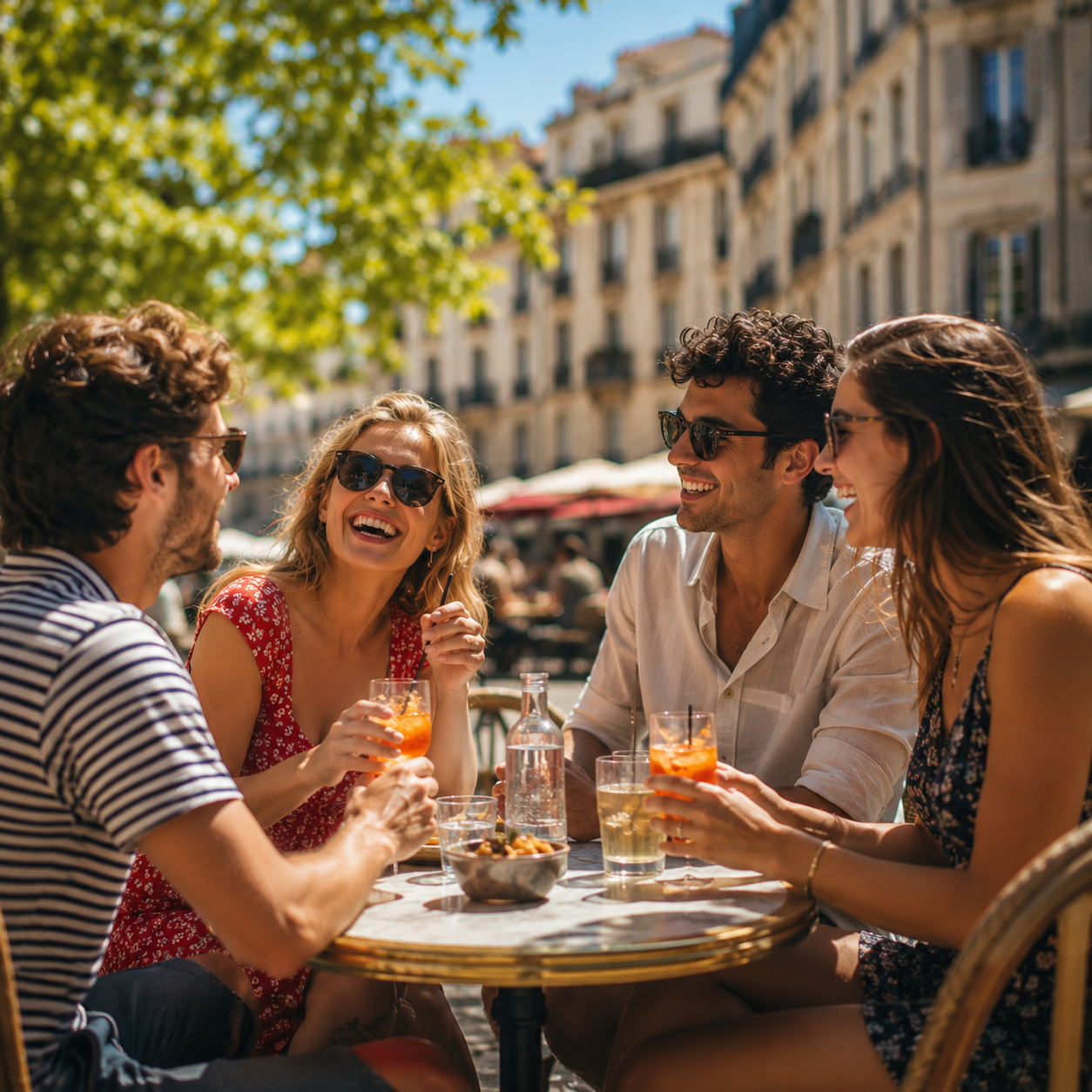
They sit on terraces.
They share an apéritif.
They chat.
And they don't always eat at just any time.
Important:
In many French restaurants, especially outside highly touristy areas, service hours are quite specific.
If you arrive too late for lunch or too early for dinner, the kitchen may be closed.
Useful phrases to know:
“Vous servez encore ?”
Are you still serving food?
“La cuisine est encore ouverte ?”
Is the kitchen still open?
“Est-ce qu’il faut réserver ?”
Do we need to make a reservation?
These phrases can save you a lot of frustration.
And a lot of sad last-minute sandwiches.
Don't: order the way you do in your own country
Every country has its own restaurant habits.
In France, some requests are perfectly possible.
But it's best to phrase them gently.
For example, if you want to change a dish, remove an ingredient, or ask for something special, avoid being too direct.
Avoid:
“Enlevez les tomates.”
“Je veux ça sans sauce.”
Instead, say:
“Est-ce que c’est possible de l’avoir sans tomates ?”
“Est-ce que je pourrais avoir la sauce à part ?”
“Excusez-moi, est-ce que ce plat contient du fromage ?”
The key phrase is “est-ce que c’est possible”.
It's a magic formula.
Polite.
Simple.
And extremely useful in France.
Do: understand beach etiquette
French beaches have their own little habits.
Nothing very complicated.
But a few details can help you avoid looking completely lost.
For example:
- people usually don't play loud music,
- they generally respect personal space,
- and they often stay for several hours.
The beach is not always a place where people are looking for conversation.
Sometimes they simply want to relax.
Useful phrases:
“On se met où ?”
Where shall we sit?
“Tu veux aller te baigner ?”
Do you want to go for a swim?
“On se met à l’ombre ?”
Shall we sit in the shade?
Don't: make too much noise in quiet places
This point surprises many visitors.
In France, some places are expected to remain relatively quiet.
A small village.
A local market.
A train.
A restaurant terrace.
Of course people talk.
People laugh.
People enjoy themselves.
But speaking very loudly can sometimes be seen as rude.
A useful observation:
When you're unsure, observe the volume of the people around you.
And simply adapt.
It's often the easiest way to blend in naturally.
Do: talk about the heat like French people do
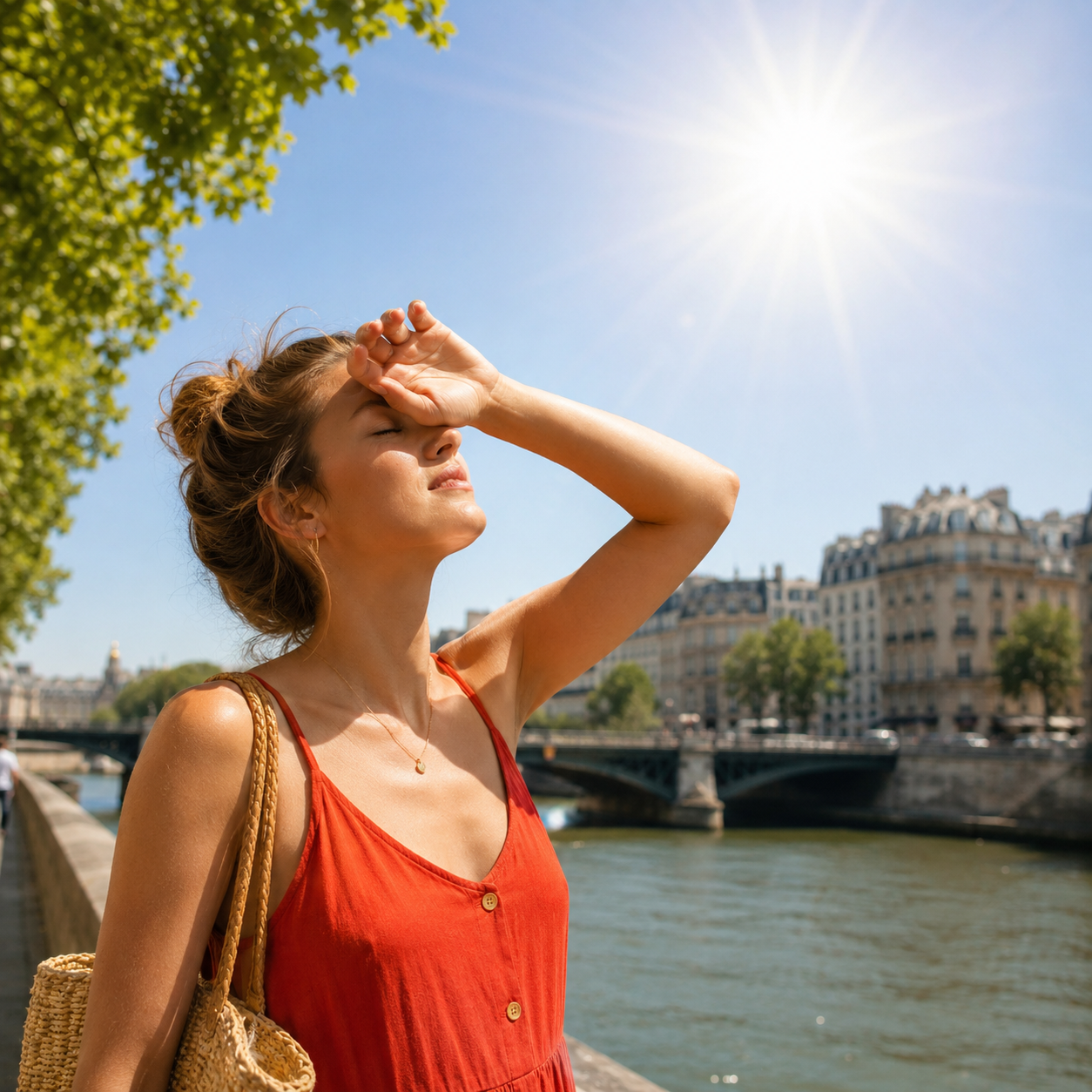
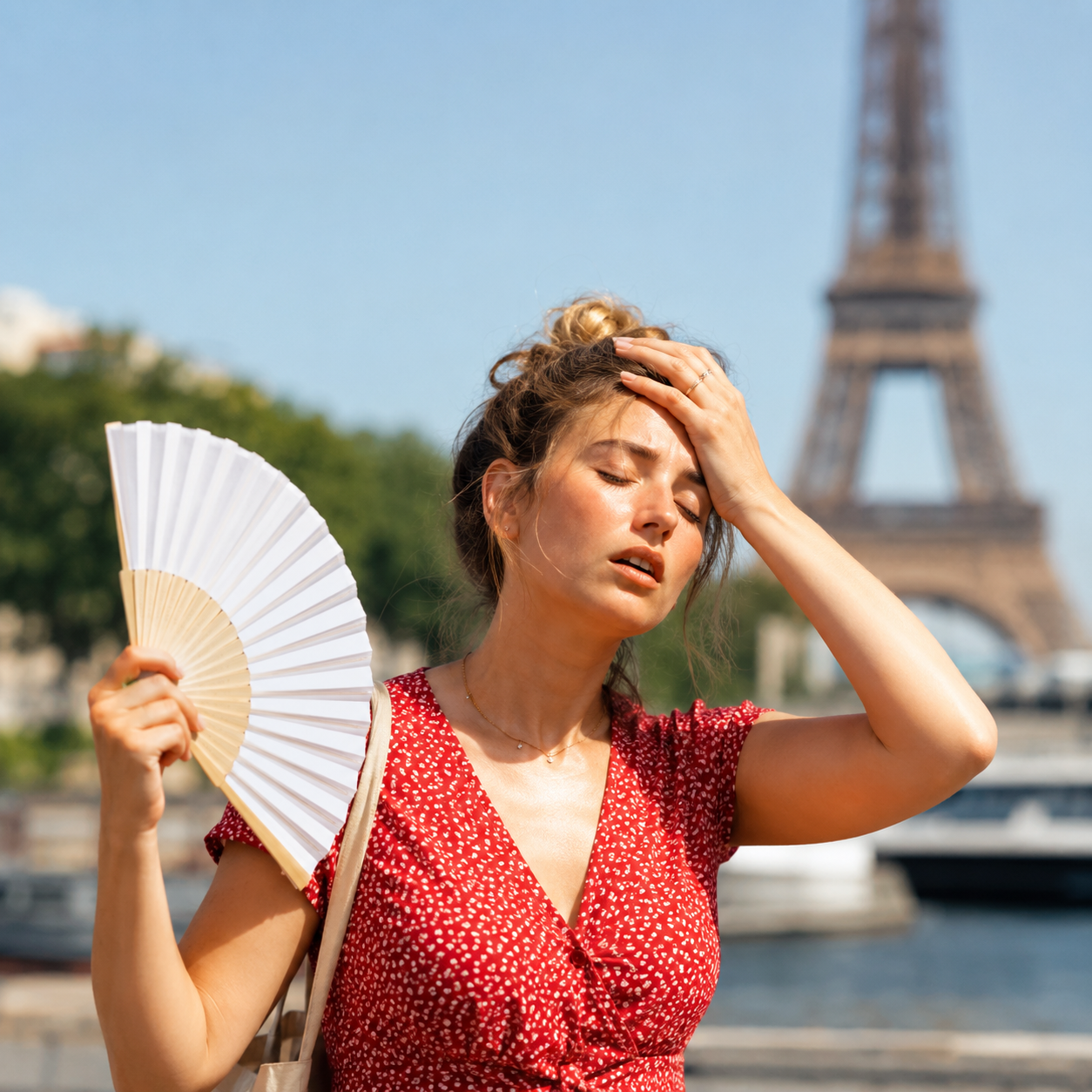
When it's hot in France, everyone talks about it.
Really.
Everyone.
And knowing a few natural expressions helps a lot.
“Il fait une chaleur pas possible.”
It's unbelievably hot.
“Je meurs de chaud.”
I'm dying of heat.
“On étouffe.”
It's suffocating.
“Il fait lourd.”
The air feels heavy / It's muggy.
If you'd like to learn more expressions like these, you can also read our article:
20 French expressions to talk about hot weather.
Don't: underestimate August closures
This is probably one of the biggest cultural surprises.
Many businesses close in August.
Not all of them.
But enough to surprise visitors.
Especially in smaller towns.
Good habit:
Always check opening hours.
And if possible, book in advance.
Useful phrases:
“Vous êtes ouverts demain ?”
Are you open tomorrow?
“Quels sont vos horaires ?”
What are your opening hours?
“Est-ce qu’il faut réserver ?”
Do we need to make a reservation?
To better understand this phenomenon, you can also read:
Why France shuts down in August.
Useful phrases for summer in France
Here are a few phrases you can start using right away:
“Bonjour, excusez-moi…”
“Je voudrais…”
“Est-ce que c’est possible… ?”
“On prend l’apéro ?”
“Il fait une chaleur pas possible.”
“Vous servez encore ?”
“Est-ce qu’il faut réserver ?”
“Bonne journée !”
FAQ: Summer etiquette in France
Do I really need to say “bonjour” every time?
Yes.
In France, saying “bonjour” is considered the normal way to start an interaction.
Especially in shops, cafés, restaurants, and small businesses.
Is it rude to speak English first?
Not necessarily.
But it's often appreciated if you start with:
“Bonjour.”
“Excusez-moi.”
“Parlez-vous anglais ?”
Do restaurants serve food all day in summer?
Not always.
Many restaurants still follow lunch and dinner service hours.
It's best to check in advance.
Why do French people talk so much about the weather?
Because it's an easy conversation topic.
And during a heatwave, it quickly becomes everyone's favourite topic.
Is everything really closed in August?
No.
But many independent businesses close for holidays.
That's why planning ahead is often a good idea.
Practice your French before summer
Now you know the main dos and don'ts for spending the summer in France.
But as always, knowing the rules isn't enough.
You need to use them.
Hear them.
Practice them.
And turn them into natural habits.
The best way to prepare?
Practice before your trip.
Before ordering in a restaurant.
Before chatting with locals.
Before finding yourself in a real-life situation.
That way, the phrases come naturally when you need them.
If you'd like to keep improving, you can:
- join the Ohlala newsletter to receive natural French every week,
- discover Ohlala French School to practice with native teachers,
- join the group classes to speak more regularly and naturally.
Would you like to feel more comfortable in France this summer?
Join Ohlala and practice real-life French.
Useful phrases.
Real situations.
Native teachers.
And more confidence when speaking French.
→ Practice my French before summer= The essential dos and don'ts for summer in France.
Learn them.
Practice them.
And enjoy your summer in France with confidence.